Call: 07971459873
 Send Inquiry
 Send Inquiry
LPH RO Plant
Price 1 INR/ Piece
MOQ : 1 Piece
LPH RO Plant Specification
- Features
- Energy Efficient, Low Maintenance, Easy Operation
- Technology
- Reverse Osmosis (RO)
- Flow Rate
- 1000 LPH
- Usage
- Water Treatment
- Accessories
- Micron Filter, Pressure Gauge, Control Panel
- Type
- Automatic LPH RO Plant
- Material
- Stainless Steel
- Storage Capacity
- 500 Liters
- Purifying Function
- Reverse Osmosis Filtration
- Power
- 2.2 kW
- Valve Type
- Automatic Valve
- Installation Type
- Floor Mounted
- Temperature
- 5C to 45C
- Water Source
- Borewell, Municipal Supply, River Water
- Dimension (L*W*H)
- 1200 mm x 700 mm x 1600 mm
- Voltage
- 220 V
- Weight (kg)
- 120 kg
- Application
- Commercial, Industrial Water Purification
- Mounting Type
- Skid Mounted
- Capacity
- 1000 LPH
LPH RO Plant Trade Information
- Minimum Order Quantity
- 1 Piece
- Payment Terms
- Paypal, Cash Advance (CA), Cash in Advance (CID), Cheque
- Supply Ability
- 50 Pieces Per Day
- Delivery Time
- 2 Days
- Main Domestic Market
- All India
About LPH RO Plant
250 LPH RO Plant has the capability to make water pure and drinkable by removing various contaminants. This plant can filter 0 to 200 liter of water per hour due to its advanced reverse osmosis filtration technology. Equipped with high-end RO membrane, this is featured with 250lph capacity, 55% to 66% max. water recovery rate. Designed with stainless steel skid with UPVC piping, the 250 LPH RO Plant filters water in four stages to ensure high purity.
Product Details
|
Design |
Customized |
|
RO Capacity |
0-200 (Liter/hour) |
|
Material of Construction |
FRP |
|
Installation/Civil Work |
Not Required |
|
Automatic Grade |
Semi-Automatic |
|
Number of Membranes in RO |
1 |
|
Max Water Recovery Rate |
55-60 % |
|
Number of Filtration Passes |
4 |
|
Installation Service |
Yes |
|
Capacity |
250 |
Advanced Filtration Technology
With TFC membranes and a comprehensive pre-filtration system, this RO plant removes impurities, particulates, and dissolved salts from various water sources. The process ensures consistently high-quality output water, making it suitable for complex industrial and commercial needs, such as process water or equipment feed.
User-Friendly Automation
Equipped with a digital control panel, automatic/manual switch, and automatic valves, operation is simple and efficient. The plant monitors and adjusts parameters for optimal performance, minimizing manual intervention and reducing operational errors. This fully automatic system is designed for consistent, reliable results.
Durable Construction and Efficient Design
Engineered with a 304 stainless steel frame and high-quality UPVC/SS piping, this RO plant is built for long-term use in demanding settings. Its energy-efficient operation and low maintenance requirements help reduce costs while ensuring dependable water purification for a range of industries.
FAQs of LPH RO Plant:
Q: How does the LPH RO Plant with TFC membranes operate?
A: The plant utilizes reverse osmosis filtration, where feed water passes through a pre-filtration system (micron cartridge and sand filter) followed by TFC membranes. High-pressure pumps drive the process, removing dissolved solids and contaminants, resulting in purified water suitable for industrial and commercial use.Q: What is the typical installation process for this RO Plant?
A: Installation involves positioning the floor-mounted, skid-based system, connecting inlet and outlet piping, and integrating electrical controls to a 220V source. Once setup is complete, the plant is tested for leaks and calibration, ensuring optimal performance before commissioning.Q: When should the pre-filtration cartridges and membranes be replaced?
A: Micron cartridges are generally replaced every 3 to 6 months, depending on inlet water quality, while TFC membranes typically last 2 to 3 years. Regular monitoring and maintenance are recommended for maintaining water quality and maximizing equipment lifespan.Q: Where can this RO Plant be deployed effectively?
A: This RO system can be used in commercial establishments, industrial plants, manufacturing units, and other facilities that require consistent, high-quality purified water. It is compatible with various water sources, including borewell, municipal, and river water.Q: What are the main advantages of using this automatic RO plant?
A: The plant offers energy efficiency, fully automated and user-friendly operation, low maintenance, and durability due to high-grade materials. It delivers a steady flow of purified water, helping businesses adhere to water quality standards while minimizing downtime and operational costs.Q: How do I monitor or control the operation of the RO plant?
A: Operators can use the digital control panel, which displays real-time operating conditions. The system enables automatic or manual selection modes, and provides alerts for maintenance, system status, and performance checks. This ensures effective monitoring with minimal training.Q: What maintenance and accessories are included with the system?
A: Standard accessories include a micron filter, pressure gauge, and control panel. Regular maintenance involves replacing filters, periodic pressure checks, and occasional sanitization. These measures help sustain operational efficiency and extend the systems service life.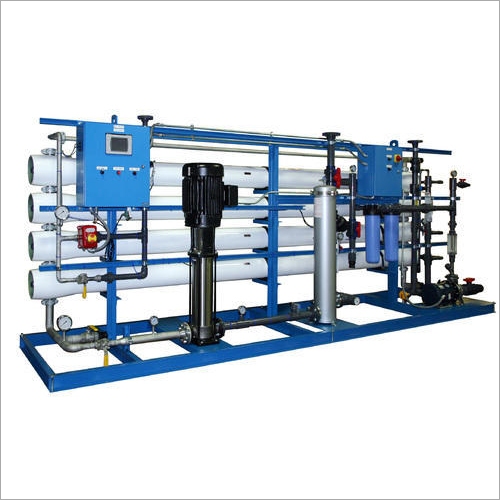
Tell us about your requirement

Price:
Quantity
Select Unit
- 50
- 100
- 200
- 250
- 500
- 1000+
Additional detail
Mobile number
Email


Contact Details
V.N AQUATECH
GST : 27AALFV4062E1Z2
- 301, 3rd floor, Green House, Green Street, Fort,Mumbai - 400001, Maharashtra, India
- Phone :07971459873

 Send Inquiry
Developed and Managed by Infocom Network Private Limited.
