Call: 07971459873
 Send Inquiry
 Send Inquiry
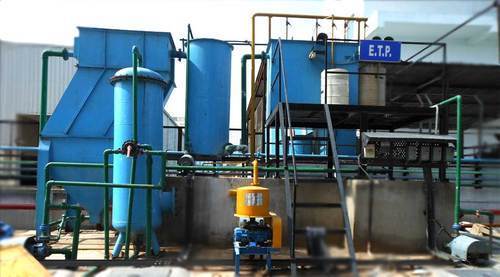
effluent treatment plant
Price 1 INR/ Piece
MOQ : 1 , , Piece
effluent treatment plant Specification
- Capacity
- 10 KLD 500 KLD
- Material
- Mild Steel / FRP Coating / Stainless Steel
- Ph Level
- 6 - 9
- Power
- 5-15 kW (Depending on capacity)
- Water Source
- Industrial Effluent, Wastewater
- Automation Grade
- Automatic, PLC Based
- Membrane Quantity
- As per design, 2-20 Units
- Membrane Size
- Standard 4 inch / 8 inch
- Flow Rate
- 10 500 m3/day
- Treatment Technique
- Mixed Bed Bio Reactor (MBBR), Clarification, Filtration, Disinfection
- Application
- Industrial Wastewater Treatment, Chemical, Textile, Food, Pharma
- Installation Type
- Containerized Plug & Play
- Product Type
- Effluent Treatment Plant
- Technology
- Advanced Oxidation, MBBR, Chemical & Physical Treatment
- Power Source
- Electric
- Operation Type
- Automatic / Semi-Automatic
- Pressure
- 1.5 - 2.5 bar
- Dimension (L*W*H)
- Custom as per design (e.g. 4200mm x 2100mm x 2500mm)
- Weight
- 1800-9000 kg (Depends on plant capacity)
- Color
- Blue / Grey
- Capacity Intel Flow Rate
- Up to 500 m3/day
effluent treatment plant Trade Information
- Minimum Order Quantity
- 1 , , Piece
- Payment Terms
- Paypal, Cash Advance (CA), Cash in Advance (CID), Cheque
- Supply Ability
- 100 Pieces Per Day
- Delivery Time
- 1 Week
- Main Domestic Market
- All India
About effluent treatment plant
Effluentisdefinedby the United States Environmental Protection Agency as wastewater atreatedor untreated that flows out of atreatment plant, asewer, or industrial outfall. Generally refers to wastes discharged into surface waters. ... This cleanereffluentis then used to feed the bacteria in biofilters.High-Efficiency Sludge Management
The plants advanced sludge handling system uses an integrated filter press or centrifuge to efficiently separate and manage solids. With up to 98% TSS removal, it significantly reduces sludge volume, lowering disposal and maintenance needs while enhancing overall process reliability.
Compliance and Water Quality Assurance
Treated output reliably meets Central and State Pollution Control Board quality standards. The systems combination of MBBR, advanced oxidation, and multi-stage clarification ensures safe, reusable water for discharge or further processing, with pH stability between 6 and 9.
Automated and User-Friendly Operation
Designed for easy installation and minimal manual intervention, the plug-and-play containerized setup features programmable PLC/SCADA controls, optional remote monitoring, and auto dosing. The semi-automatic CIP system ensures consistent performance and simplifies routine maintenance.
FAQs of effluent treatment plant:
Q: How does the integrated sludge handling mechanism work in this effluent treatment plant?
A: The integrated sludge handling mechanism uses a filter press or centrifuge to separate and dewater solid waste from the effluent. This approach streamlines sludge management, reducing the frequency and cost of disposal while maintaining high system efficiency.Q: What are the main treatment processes used in this plant?
A: This plant combines Mixed Bed Bio Reactor (MBBR) technology with advanced oxidation, clarification, filtration, and disinfection. These processes work together to effectively remove contaminants, ensure compliance with regulatory standards, and deliver high-output water quality.Q: When is the clean-in-place (CIP) system required?
A: The semi-automatic CIP system is recommended for regular cleaning cycles or whenever operational efficiency decreases. It helps remove residual buildup in membranes and internal surfaces, extending service life and maintaining consistent treatment performance.Q: Where can this effluent treatment plant be installed?
A: The containerized, plug-and-play design allows installation at various industrial sites, including chemical, textile, food, and pharmaceutical facilities. Its robust construction and power compatibility (5-15 kW) make it adaptable for diverse Indian industrial environments.Q: How does the automated chemical dosing system function?
A: The plant is equipped with auto dosing pumps that accurately add treatment chemicals based on real-time requirements. This ensures optimal chemical usage, stable process conditions, and reduces manual monitoring.Q: What are the key benefits of using this effluent treatment plant for industrial wastewater?
A: Key benefits include regulatory compliance, high contaminant removal rates (up to 98% TSS), flexible installation, ease of use, and lower sludge management costs. Its automated features and robust design enhance operational reliability and long-term service life.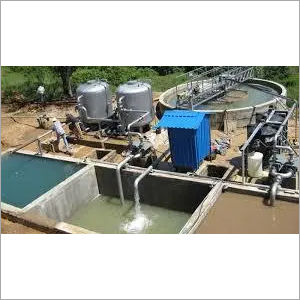
Tell us about your requirement

Price:
Quantity
Select Unit
- 50
- 100
- 200
- 250
- 500
- 1000+
Additional detail
Mobile number
Email

More Products in Effluent & Sewage Treatment Plants Category
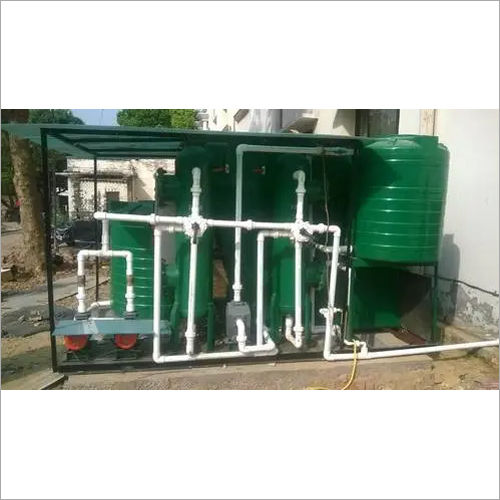
sewage treatment plant
Price Range 10000.00 - 35000.00 INR / Unit
Minimum Order Quantity : 01 Unit
Membrane Quantity : As per design
Installation Type : Prefabricated / Modular
Capacity Intel Flow Rate : 25500 KLD
Operation Type : Automatic

Contact Details
V.N AQUATECH
GST : 27AALFV4062E1Z2
- 301, 3rd floor, Green House, Green Street, Fort,Mumbai - 400001, Maharashtra, India
- Phone :07971459873

 Send Inquiry
Developed and Managed by Infocom Network Private Limited.
